Blog
Commercial Storefront Glass in NJ: What Business Owners Need to Know
Published August 24, 2026
Whether you are building out a new retail space, updating an aging storefront, or replacing glass that was damaged in a break-in or accident, commercial glass work involves a different set of decisions than a residential project. The systems are larger, the permitting is more involved, and the cost of getting it wrong is higher. Here is what business owners in New Jersey should understand before starting.
Types of Commercial Glass Systems
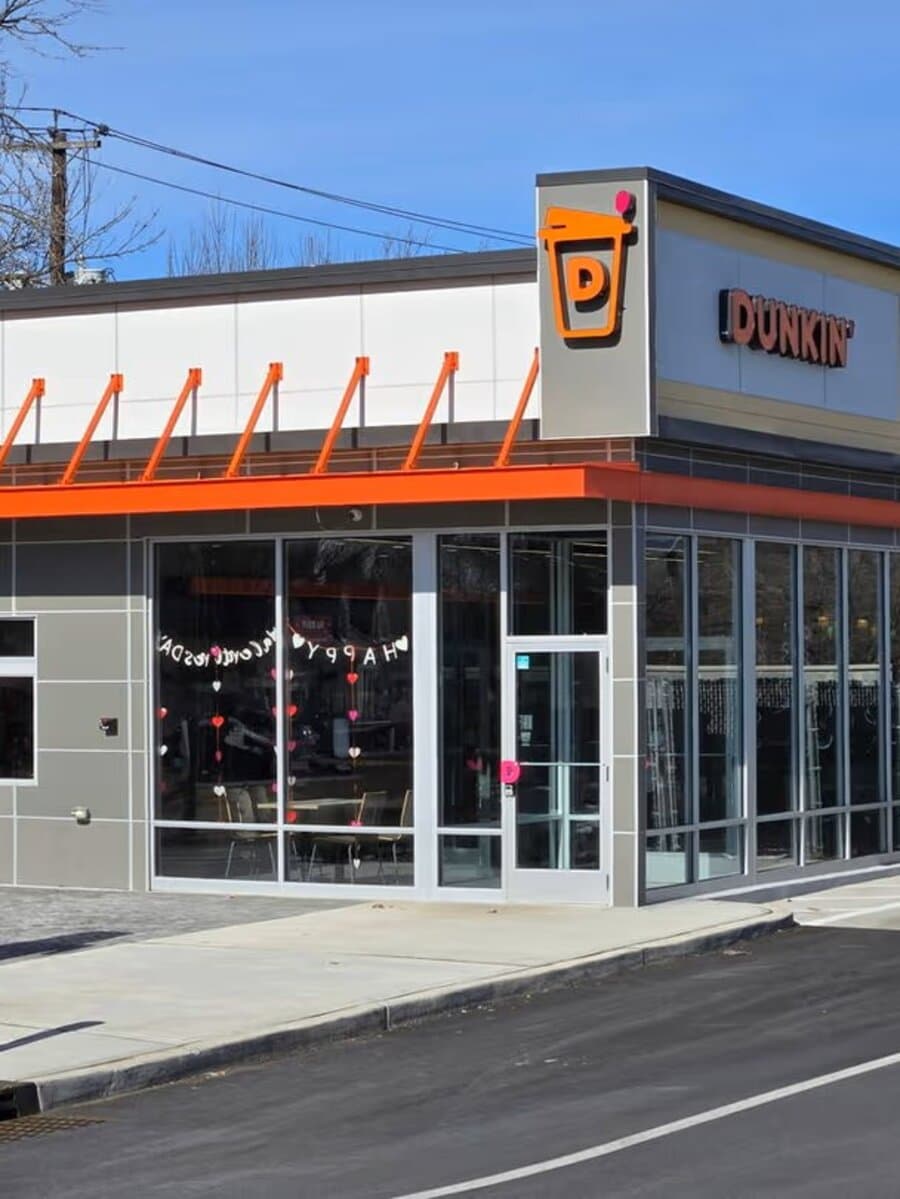
Aluminum Storefront Systems
Framed glass panels set into an aluminum grid, this is the most common storefront system for retail and office spaces, offering a balance of cost, durability, and a clean, professional appearance.
All-Glass Entrances
Frameless or minimally framed glass entry systems that give a building a more open, modern appearance, often chosen by businesses that want their storefront to feel especially inviting and transparent from the sidewalk.
Herculite Doors
Frameless tempered glass doors, commonly used for retail entrances and interior office entries, valued for their clean look and durability under heavy daily foot traffic.
Curtain Walls
Large-scale glass wall systems used on the exterior of commercial buildings, often for multi-story storefronts or office buildings that want a fully glazed facade.
Office Partitions
Interior glass walls and partitions used to divide office space while preserving natural light and sightlines, an increasingly popular alternative to solid drywall for modern office layouts.
Choosing the Right Glass for Different Business Types
Retail spaces generally benefit from clear, high-visibility glass that showcases the storefront and merchandise to people walking or driving by, since visibility directly supports foot traffic. Office spaces often use a mix of clear and frosted glass for partitions, balancing an open, collaborative feel with privacy for meeting rooms and individual offices. Restaurants frequently choose larger glass entrances and window systems to create an inviting, visible frontage that draws people in, especially for spaces with outdoor seating or a view worth showing off. Industrial or warehouse-adjacent businesses may prioritize impact resistance and security over aesthetics, which often means thicker glass, laminated options, or a more conservative storefront design.
NJ Permit Requirements for Commercial Glass Work
Most commercial storefront and glass installation projects in New Jersey require a permit, particularly when structural elements of the building are involved, such as removing or enlarging an opening, or when the work affects a public-facing entrance that falls under accessibility and life-safety code. Permit requirements and processing times vary by municipality, so it is worth confirming what applies to your specific project and address before work begins, rather than assuming a straightforward glass swap does not need one.
How Long a Commercial Installation Takes
Timelines depend heavily on the scope of the project. A single storefront door replacement can often be completed in a day or two once the glass is fabricated, assuming no permit is required or one has already been approved. A full storefront system replacement, a curtain wall installation, or any project requiring custom fabrication and municipal permit approval can take considerably longer, sometimes several weeks from initial quote to completed installation. Getting an honest timeline estimate upfront, including what could extend it, helps you plan around the disruption to your business.
Emergency Glass Replacement for Businesses
Broken storefront glass is a security and liability issue that cannot wait for a normal scheduling window. A reputable commercial glass contractor should be able to respond quickly to board up and secure a damaged storefront, protecting the space overnight or over a weekend, and then follow up with a permanent glass replacement once the new glass has been measured and fabricated. If your business depends on a secure, presentable storefront, ask any contractor you are considering how they handle true emergencies before you actually need one.
How to Evaluate a Commercial Glass Contractor
Look for a contractor who fabricates glass in-house rather than subcontracting the work out, since that generally means tighter quality control, faster turnaround on custom sizing, and a single point of accountability if something needs to be adjusted. Ask how long they have operated in New Jersey, whether they are licensed and insured, and whether they can show recent commercial work similar in scale and type to your own project. A contractor who answers these questions directly, without hedging, is generally a safer choice for a project where downtime and security both matter.
Get a Free Consultation
Totowa Glass has fabricated and installed commercial glass throughout North and Central Jersey since 1986. Call (973) 390-3900 for a free consultation on your storefront project.
More from the Blog
Glass Repair vs. Glass Replacement in NJ: How to Decide
When a repair is enough, when full replacement is the smarter choice, and how to tell the difference before you spend anything.
Custom Glass Tabletops and Shelves: What You Can Have Made at a NJ Glass Shop
Tabletops, floating shelves, desk protectors, and the one-off projects a local glass shop can cut that no store-bought size ever will.