Blog
Frameless vs. Framed Shower Doors in NJ: Which Is Right for Your Bathroom?
Published July 10, 2026
If you are planning a bathroom renovation in New Jersey, one of the first decisions you will face is whether to go with a frameless, semi-frameless, or framed shower door. Each style has a different look, a different price point, and different maintenance needs, and the right choice depends on your bathroom, your budget, and how much upkeep you want to deal with down the road. This guide walks through what each style actually is, where it fits best, and what to ask before you commit to one.
What Are Framed Shower Doors?
Framed shower doors use a metal frame around every edge of the glass, including the door panel and any fixed side panels. The frame holds the glass in place and adds structural support, which means the glass itself can be thinner, usually around a quarter-inch, without sacrificing safety. Framed doors are the most budget-friendly option on the market and the easiest to install in bathrooms with walls or floors that are not perfectly square, since the frame can hide small gaps and irregularities that frameless glass would expose. The tradeoff is more visible metal and more grout lines and tracks where soap scum, mildew, and hard water spots tend to build up over time.
What Are Frameless Shower Doors?
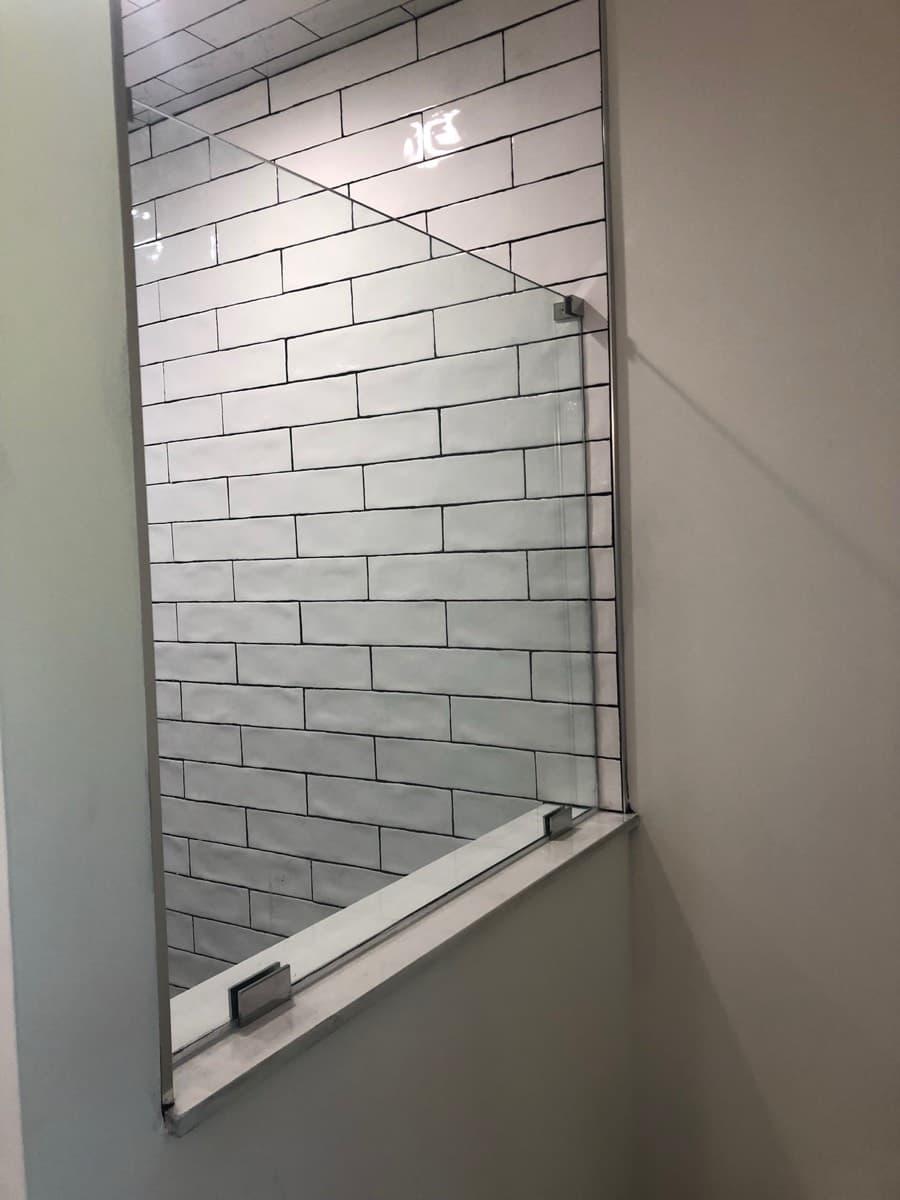
Frameless shower doors do away with the metal frame almost entirely, using thick tempered glass, typically half an inch, held in place by minimal hardware like hinges, a header bar, and a handle. Because the glass has to be thick enough to support itself without a frame, frameless doors cost more than framed alternatives, often by a significant margin once you factor in the heavier glass and the precision hardware required for a clean fit. In exchange, you get a sleek, modern look with fewer surfaces for mold and mildew to collect, and a shower that tends to make smaller bathrooms feel larger since there is less visual clutter in the way.
Semi-Frameless as a Middle Option
Semi-frameless shower doors split the difference between the two. They use a thinner frame, usually just around the door panel, while fixed side panels are mounted with clips rather than full metal framing. This gives you a look that is much closer to frameless glass at a price point closer to framed doors, which makes semi-frameless a popular choice for homeowners who want the upgraded look without the full frameless cost. It also tends to be a more forgiving install than fully frameless glass if your bathroom walls are not perfectly plumb.
Which Style Works Best for Your Bathroom
Bathroom size and layout matter as much as personal style when choosing between these options. In smaller bathrooms, frameless or semi-frameless glass tends to make the space feel more open since there is less visible hardware breaking up sightlines. In larger bathrooms with more wall-to-wall shower space, the difference in perceived size matters less, and a framed door can be a practical choice without giving up much visually. If your walls or shower base are not perfectly square, which is common in older New Jersey homes, a framed or semi-frameless door is often easier to fit cleanly than a fully frameless enclosure.
Cost Differences in New Jersey
Pricing varies by size, glass thickness, and hardware finish, but as a general rule, framed doors are the least expensive option, semi-frameless falls in the middle, and frameless is the most expensive due to the thicker glass and heavier-duty hardware involved. For a detailed breakdown of what specifically drives the price up or down, see our guide on shower door costs in New Jersey.
Maintenance Differences
Framed doors have more places for water, soap residue, and mildew to collect, particularly in the metal tracks and corners where the frame meets the glass. Frameless and semi-frameless doors are easier to wipe down and keep clean since there is less hardware in the way, though the glass itself still needs regular squeegeeing or a glass treatment to prevent hard water spots, especially in areas of New Jersey with harder municipal water.
Questions to Ask Your NJ Glass Installer
Before deciding, it helps to ask a few direct questions. Find out what glass thickness is included at the quoted price, since thinner glass at a frameless price point can be a red flag. Ask what hardware finishes are available and whether they are included or an upgrade. Confirm how the installer handles a bathroom with uneven walls or a non-standard shower base, since that affects which style will fit cleanest. Ask how long the glass takes to fabricate and install, since custom shower doors typically take one to two weeks from measurement to finished installation. And ask whether the company fabricates glass in-house or outsources it, since that can affect both turnaround time and how easily small adjustments get handled if something does not fit perfectly on the first try.
If you want to see how each style looks in a finished bathroom before deciding, our gallery includes examples of frameless, semi-frameless, and framed installations completed across North Jersey. You can also find general design guidance for bathroom layouts and fixtures from the National Kitchen and Bath Association, which publishes standards many contractors and designers reference during renovations.
Ready to Choose Your Shower Door?
Whichever style fits your bathroom and budget, our shower door page covers what is involved in custom fabrication and installation. Request a free estimate and we will help you decide what works best for your space in person.
More from the Blog
Glass Repair vs. Glass Replacement in NJ: How to Decide
When a repair is enough, when full replacement is the smarter choice, and how to tell the difference before you spend anything.
Commercial Storefront Glass in NJ: What Business Owners Need to Know
Storefront systems, NJ permits, realistic timelines, and how to evaluate a commercial glass contractor before you sign anything.